Fertilizers & Nutrition
N-P-K practice, foliar feeding, release curves
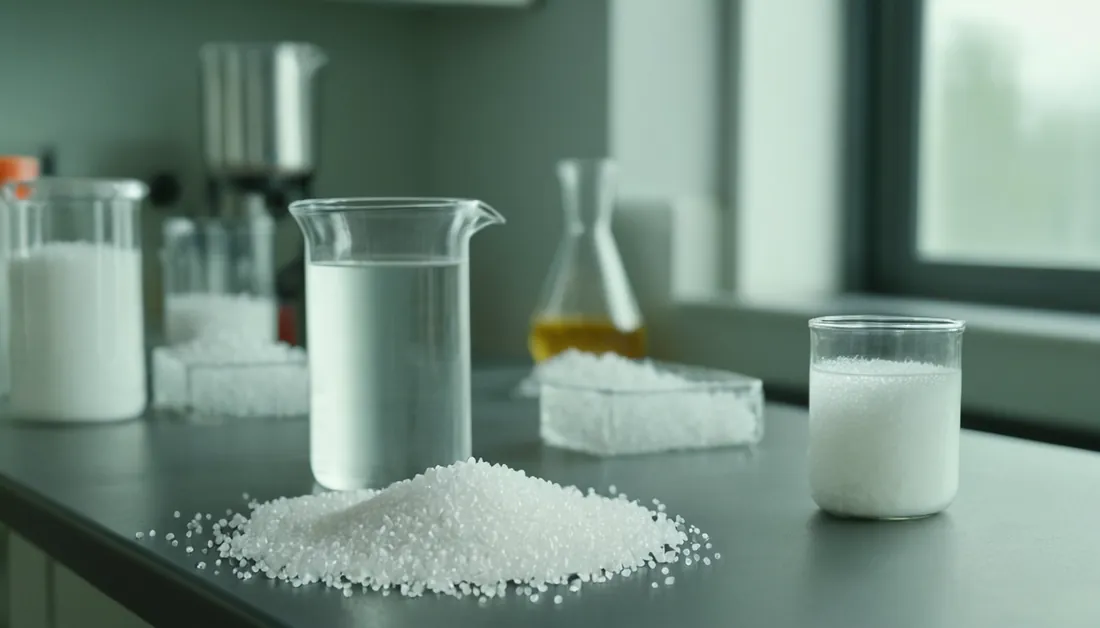
Fertiliser decisions are usually framed as “which NPK”, but the questions that decide outcomes are different: where does the nutrient sit relative to the root, what form is it in, and what else is in the soil solution when it arrives. This channel covers practical plant nutrition for the crops our buyers grow — cereals, vegetables, tree crops — with an emphasis on how fertiliser interacts with water-retention inputs, seed treatments and irrigation water.
What this channel covers
- Nutrient practice: N forms and losses, P placement, K and micronutrients in dryland systems.
- Release and placement: coated and controlled-release products, banding versus broadcast, fertigation.
- Interactions: what calcium, magnesium and ionic strength do to polymer gels and to uptake.
- Foliar work: concentration limits, timing, adjuvants, and burn risk by temperature.
Frequently asked
Is more fertiliser the cheapest way to raise yield?
Rarely. Once water or another nutrient is limiting, extra NPK is money in the soil with no return — and in dryland systems excess salt can hurt establishment. Fix the limiting factor first, then fertilise to it.
Can I fertigate through a dripline with polymer granules in the bed?
Yes, but keep concentrated fertiliser solution away from dry granules: high ionic strength collapses the gel. Apply polymer at planting, irrigate to settle it, and start fertigation afterwards.
Do foliar sprays replace soil application?
They supplement, not replace. Foliar is efficient for micronutrient correction and for keeping a crop going during a stress window; the bulk of N, P and K still needs to come from the root zone.

Foliar Nitrogen Sprays: Urea vs Nitrate and Burn Limits
What foliar fertilizer nitrogen actually is Foliar fertilizer nitrogen is a dilute nitrogen solution — most often low-biuret urea — sprayed onto leaves so the crop absorbs N through the cuticle and…
More in Fertilizers & Nutrition

Foliar Fertilizer UK: Spray Rates, Water Volume, Scorch Limits
What foliar fertilizer actually is Foliar fertilizer in the UK usually means a soluble nutrient salt or chelate…

Foliar Fertilizer for Tomatoes: Dose, Timing, Burn Limits
What foliar fertilizer for tomatoes actually is Foliar fertilizer for tomatoes is a dilute nutrient solution — usually…

Foliar Fertilizer Sprayer: Droplet Size, Pressure, Dose
What a foliar fertilizer sprayer is set up to do A foliar fertilizer sprayer is a sprayer configured…
Jolt Foliar Fertilizer: What the Label Numbers Tell You
Jolt Foliar Fertilizer Label: Quick Answer “Jolt foliar fertilizer” is not an official nutrient grade or a category…

Foliar Fertilizer “Grow More”: The 1–2% Dose Ceiling
Grow More foliar dose: the short answer Foliar fertilizer makes a crop grow more only when it delivers…
Foliar Fertilizer Canada: What CFIA Registration Requires
CFIA foliar fertilizer registration: quick answer Foliar fertilizer sold in Canada is regulated as a fertilizer under the…
Zuari Water Soluble Fertilizer: Which Grade Fits Your Drip
Quick Zuari grade match for drip systems Zuari water soluble fertilizer is a range of fully-soluble N-P-K powders…
Yates Water Soluble Fertilizer: The 9 L Dilution Math
Yates 9 L Dilution Short Answer Yates water soluble fertilizer is a powdered or crystalline concentrate that you…
Foliar Fertilizer Booster Rates: 0.5% vs 2% in the Tank
What a foliar fertilizer booster is A foliar fertilizer booster is a concentrated nutrient or biostimulant blend that…
Water Soluble Acidic Fertilizer: pH, EC and Dilution
pH, EC and Dilution: Quick Answer A water soluble acidic fertilizer is a fully dissolved fertilizer blend formulated…
NPK for Young Coffee: Nursery Grade, Field Rate, Chloride Risk
Young-coffee NPK, explained in one paragraph NPK fertilizer for young coffee is the granular or fully soluble product…
NPK Zinc Fertilizer: Why 1% Zinc Fails on High-PH Soil
Why 1% Zinc Fails on High-PH Soil NPK zinc fertilizer is a compound or blended fertilizer that supplies…